
Oral dosing is identified by research and community sources as the most frequently cited route for achieving gut-targeted effects. According to community sources — oral dosing in the range of 500 mcg to 1 mg is the preferred method for gut-targeted effects. They report how the math is described, not a recommended dosing schedule. After reconstitution of KPV, the chosen dilution affects the conversion from a target dose to units within the syringe. Strong preclinical evidence for KPV exists, mainly derived from models of inflammatory bowel disease.
The table below separates community-reported schedules from published evidence and calculation-only content. The number of full calculations is based only on vial math. Adding 1 mL of bacteriostatic water creates a concentration of 5,000 mcg per mL, or 50 mcg per unit on a U-100 syringe.
For gut inflammation and IBD symptoms — many KLOW peptide blend product overview users report noticeable improvement within 1–2 weeks of consistent oral or subcutaneous use. For systemic anti-inflammatory effects, subcutaneous injection provides more reliable absorption. Use bacteriostatic water for reconstitution to prevent bacterial growth. KPV should complement — not replace — evidence-based treatments prescribed by a gastroenterologist. However, long-term human safety data is limited, and KPV remains a research peptide, not an approved drug.
Anecdotal reports from users suggest that some people notice a reduction in inflammation within a few days to a few weeks. There is no clinical data to provide a definitive timeline. This allows it to be legally prescribed by a doctor and prepared by a registered compounding pharmacy for patient-specific use. This dosage is based on preclinical data and anecdotal reports, not official human clinical trials. It can be administered orally for gut issues or via subcutaneous injection for systemic effects. Any benefits or side effects are based on animal models and personal stories.

Subcutaneous Injection
Although topical formulations have been explored for their localized anti-inflammatory effects — their systemic bioavailability remains restricted to 15-25% when compared to injectable alternatives. The peptide is quickly degraded by peptidases, which results in a brief duration of action and necessitates daily dosing routines. Merely having a research-use label (a higher price), or a purity certificate does not guarantee that a product is suitable for patient treatment.
Gut Health and IBD Research
For systemic inflammatory conditions not limited to the gut or skin — subcutaneous injection provides the most reliable and complete absorption. The optimal protocol varies depending on whether you are targeting gut inflammation (skin conditions), systemic inflammation, or wound healing. You reconstitute it with bacteriostatic water, then draw your dose using an insulin syringe. For gut inflammation specifically, even partial survival through the GI tract is advantageous because the target tissue , intestinal mucosa, is in direct contact with the oral dose. Once-daily dosing works for mild applications or maintenance; three-times-daily is used for active inflammation.

Syringes for Insulin (U‑:
For oral KPV targeting gut inflammation, taking it on an empty stomach is generally recommended to maximize contact with the intestinal lining and minimize degradation by food-related digestive enzyme activity. The KPV + BPC-157 stack is the most popular protocol for gut inflammation and IBD. While oral bioavailability is likely lower than subcutaneous injection, community reports and preclinical research , particularly in IBD models, support oral efficacy for gut-targeted inflammation. The most common KPV dosage is 200–500 mcg taken orally 1–2 times daily for gut inflammation, or 100–500 mcg subcutaneously once daily for systemic anti-inflammatory support.
They offer treatments such as BPC-157, TB-500, PT-141, and Semaglutide, which target specific biological processes at the cellular level. Seneca BioMedical (based in UK – Technology Centre), Wolverhampton, specializes in advanced peptide therapies aimed at promoting healing, tissue regeneration, and overall health. The KPV peptide represents a promising area of peptide research due to its targeted anti-inflammatory and immune-modulating properties. Research suggests oral delivery may be effective for gut-targeted applications, but formulation matters. KPV stands out for its targeted anti-inflammatory action, especially in mucosal tissues.
When we do offer a treatment, medications are compounded by state-licensed US 503A pharmacies and shipped to the patient’s door. At Chia, treatment starts with a 100% online health questionnaire and review by a licensed US provider. Until FDA acts, KPV is not formally on the 503A Bulks List based on that vote. KPV does not have that status for gut inflammation (skin inflammation), wound healing, or any other use.
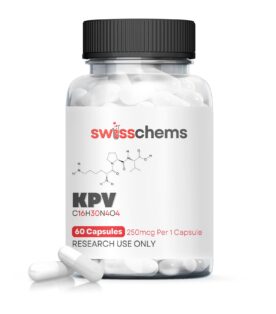
KPV’s versatility is one of its most appealing features—it can be administered orally (topically), or by injection, depending on the target condition. The combination of anti-inflammatory and antimicrobial effects makes KPV potentially useful for acne, addressing both the inflammatory component and bacterial involvement. The most robust research on KPV focuses on its effects in inflammatory bowel disease, including ulcerative colitis and Crohn’s disease. This dual action — targeting both NF-κB and MAPK, makes KPV particularly effective at calming inflammation from multiple angles.
Take your time finding what works best for your body and goals. For example, if you choose to inject, switch needles every time. Sometimes, after an oral dose, you could notice loose stool or a mild tummy ache. Start with caution if trying for the first time. Explore peptide information and provider-reviewed prescription options.
Evidence-based protocols for the minimal anti-inflammatory fragment of alpha-MSH — oral (subcutaneous), and topical dosing for gut inflammation, IBD, skin conditions, NF-κB inhibition, and stacking strategies. We cover KPV here because many patients are seeing dosage claims online and need a safer — evidence-led way to understand them. In a world where KPV is a widely available prescription, the prime candidates for its use would be people with chronic inflammation, persistent bacterial or fungal infections, or stubborn wounds. Along the way, we leaned on our relationships with people who know peptides on the ground level — both prescribers and patients. TB-500 is pro-angiogenic, which is a theoretical concern in patients with active or recent solid tumor malignancy.